2026 Mindfulness Self-Care Journal KDP
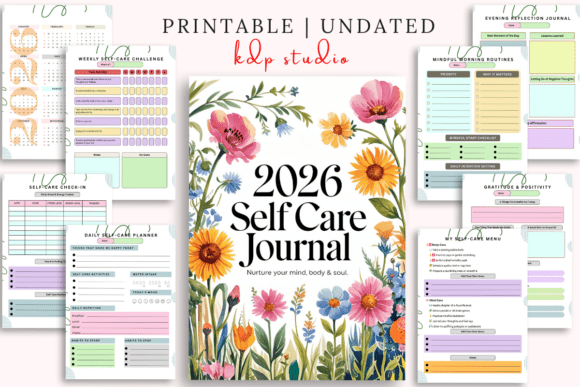
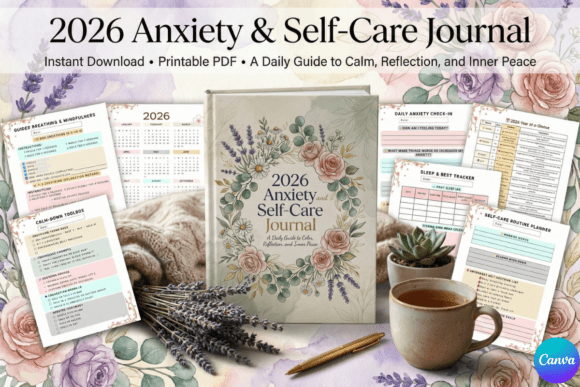
If you're designing, publishing, or selling wellness-focused digital products—or simply building a sustainable self-care practice—the 2026 Mindfulness Self-Care Journal KDP isn’t just another planner. It’s a thoughtfully structured, emotionally intelligent toolkit built for real life—not perfection. Visually, it balances softness and clarity: gentle pastel accents, clean sans serif headings, ample white space, and intentional line weights that guide the eye without demanding attention. There’s no visual noise—no competing textures, no aggressive gradients, no forced “trendiness.” Instead, it leans into calm authority: rounded yet grounded typography, consistent spacing, and a layout rhythm that mirrors mindful breathing—inhale (space), exhale (content).
Where This Journal Fits in Real Creative Work
This isn’t a one-size-fits-all template—it’s a flexible design system. As a creative font in practice, its typography functions like a quiet collaborator: readable at 10pt in reflection prompts, expressive at 24pt in “I Love About Myself” headers, and trustworthy in monthly goal-setting grids. Designers use it in editorial design for client-facing wellness workbooks; marketers adapt it for branded lead magnets; small business owners rebrand the cover and interior pages for their coaching programs—all while keeping the journal’s emotional core intact.
You’ll find it especially effective in print-ready contexts where tactile experience matters: spiral-bound versions for therapists, saddle-stitched editions for retreat centers, or premium matte-finish PDFs sold on Etsy. On screen, it holds up across devices—whether viewed in Canva’s editor, printed as an 8.5x11 physical journal, or embedded in a Notion dashboard via PDF overlay. Its modern typography avoids decorative excess, so it scales cleanly from Instagram story quote graphics to full-page vision board layouts.
Why Editability on Canva Changes Everything
The 2026 Mindfulness Self-Care Journal Canva KDP Templates aren’t static files—they’re living documents. Because each page is fully editable in Canva, you’re not just changing colors or swapping fonts. You’re adjusting hierarchy: making gratitude prompts bolder for emphasis, lightening reflection headers to soften tone, or increasing line height in mood trackers for better handwriting legibility. That level of control means your brand voice stays consistent—even when you’re adapting the same base file for three different audiences: a yoga studio’s members, a corporate HR team’s mental wellness initiative, or your own Patreon community.
We’ve seen designers use the editable structure to test subtle variations: switching from a warm gray body text to charcoal for improved contrast on low-brightness tablets, or replacing the default sans serif with a gentle humanist typeface for handwritten-style journaling sections. That flexibility supports readability without sacrificing personality—and it’s why so many content creators treat this as a foundational design asset, not just a product.
Designing With Intention—Not Just Aesthetics
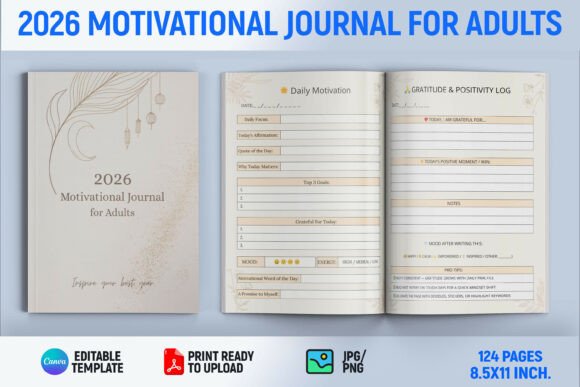
Look closely at the daily reflection spread: the balance between prompt text (light weight, open tracking), response lines (generous leading, subtle baseline guides), and margin space isn’t accidental. It’s calibrated for flow—encouraging writing without crowding thought. That’s visual hierarchy serving function, not decoration. Similarly, the monthly goal-setting page uses typographic scale to separate “What I’m committing to” (larger, centered) from “How I’ll know it’s working” (smaller, left-aligned)—a subtle cue that shifts focus from output to process.
This kind of intentionality directly impacts brand perception. When your audience opens a journal that feels spacious, legible, and psychologically safe, they don’t just see a tool—they feel seen. That builds trust faster than any sales copy. And because all elements align—color palette, spacing, type rhythm, icon style—the result reads as cohesive, not pieced together. That’s consistency doing quiet, high-impact work.
Practical Tips Before You Customize
- Test readability first: Print a sample page at actual size (8.5x11) and write in it with your preferred pen. Does the line spacing accommodate your handwriting? Are response boxes wide enough? Don’t assume screen legibility translates to paper.
- Check font pairings early: If you swap the default heading font, choose something with similar x-height and stroke contrast. A delicate script may clash with the journal’s grounded tone—opt instead for a friendly sans serif with slight rounded terminals.
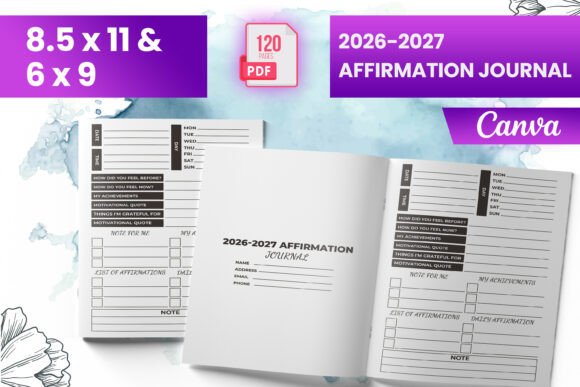
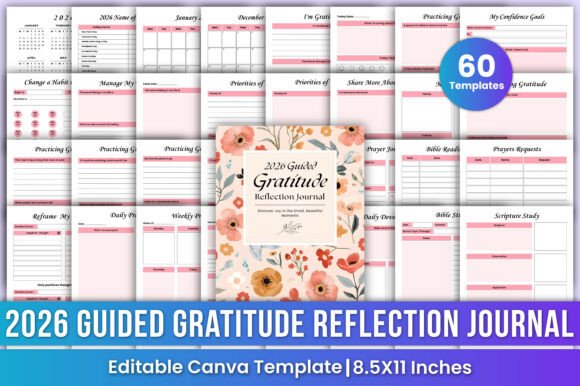
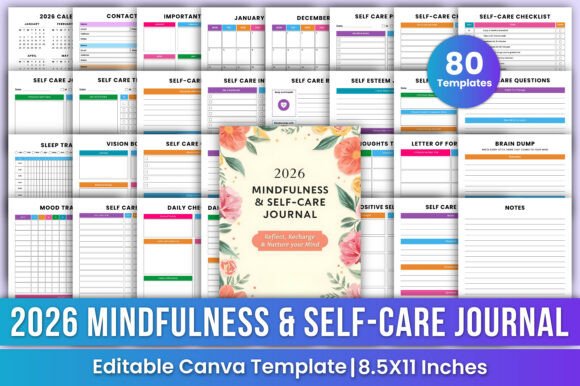
- Review included styles: The Canva templates include both portrait and landscape layouts for trackers, plus alternate cover options. Use these before rebuilding from scratch—you’ll save hours.
- Licensing is straightforward—but verify: These are commercial-use templates. You can sell your customized version on Amazon KDP, Gumroad, or your own site. No attribution required. Just keep the original PDF resolution high (300 DPI) for crisp printing.
Who Benefits Most—and How
Entrepreneurs use the 2026 Mindfulness Self-Care Journal KDP to prototype wellness offers before investing in custom development. Bloggers embed tracker pages into free email courses—then upsell the full editable version. Therapists add clinical notes sections to the reflection spreads and use them in session handouts. Even educators adapt the “Thoughts Tracker” for teen SEL (social-emotional learning) curricula—proving its adaptability beyond personal use.
What ties these uses together isn’t just utility—it’s emotional resonance. The journal doesn’t shout “be productive!” It whispers, “You’re allowed to pause here.” That tone comes through in every typographic decision: generous margins, forgiving line lengths, and type sizes that respect aging eyes and screen fatigue alike. It’s not minimalist for minimalism’s sake—it’s minimalist for mental bandwidth.
So whether you’re launching your first KDP journal or refining your tenth, the 2026 Mindfulness Self-Care Journal Canva KDP Templates give you structure without rigidity, warmth without whimsy, and professionalism without coldness. It’s design that serves people—not the other way around.