CBT Tools for OCD Management
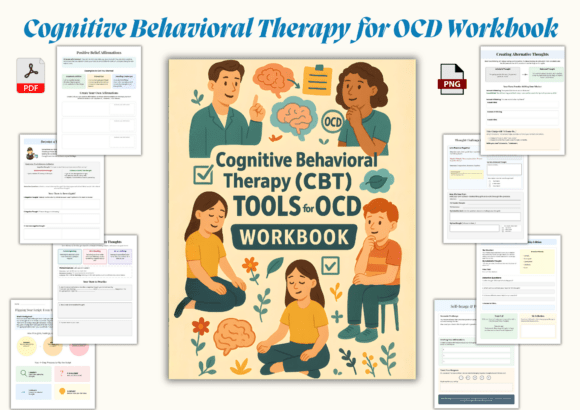
Cognitive Behavioral Therapy (CBT) is a well-researched and effective approach to managing mental health challenges, including obsessive-compulsive disorder (OCD). For individuals struggling with intrusive thoughts and compulsive behaviors, CBT offers practical strategies that can lead to meaningful change. One of the most accessible ways to engage with these tools is through the CBT Tools for OCD Workbook, a therapist-designed resource tailored for kids, teens, and learners of all ages.
This workbook stands out because it combines evidence-based CBT techniques with child-friendly illustrations, simple language, and engaging activities. It’s not just another self-help book—it's a structured guide that helps users understand how thoughts, feelings, and behaviors are connected. By breaking down complex concepts into digestible parts, the workbook empowers learners to take control of their OCD symptoms in a safe and supportive environment.
For educators and therapists, the CBT Tools for OCD Workbook provides a valuable tool for classroom settings, counseling offices, or home use. It’s designed to be used in a variety of contexts, making it adaptable to different learning styles and needs. The 8.5 x 11 inch printable format ensures clarity and ease of use, while the high-resolution PDF and PNG files allow for instant printing and customization.
Understanding the OCD Cycle
OCD often involves a cycle of obsessions and compulsions that can be overwhelming. The workbook helps users recognize this pattern by guiding them through exercises that track obsessions, triggers, and compulsions. This awareness is the first step toward breaking free from the cycle.
One of the key features of the workbook is its focus on thought challenging techniques. These exercises teach users how to question unhelpful thinking patterns and replace them with more balanced perspectives. For example, a child might learn to reframe an intrusive thought like “I must check the door 10 times” into a more realistic statement such as “Checking the door once is enough.”
By practicing these techniques regularly, users can develop a stronger sense of self-awareness and emotional regulation. This is especially important for neurodivergent learners who may benefit from visual aids and structured guidance.
Practical Benefits of Using the Workbook
The CBT Tools for OCD Workbook is more than just a collection of exercises—it’s a comprehensive resource that supports long-term progress. Here are some of the practical benefits it offers:
- Structured Exposure Practice: The workbook includes worksheets that help users gradually face their fears in a controlled way. This process, known as exposure therapy, is a cornerstone of CBT for OCD.
- Emotional Self-Awareness: Through reflection pages and journaling prompts, users gain insight into their emotions and behaviors. This self-awareness is crucial for identifying triggers and developing healthier coping mechanisms.
- Child-Friendly Activities: The use of illustrations and interactive exercises makes the content engaging for younger users. This approach ensures that even children can participate in their own healing journey.
- Supportive Environment: The workbook is designed to feel safe and uplifting, which is essential for building confidence and reducing anxiety. This supportive tone encourages users to continue using the tools consistently.
These benefits make the workbook particularly useful for families, therapists, and educators who want to support individuals with OCD in a holistic and accessible way.
Who Can Benefit Most?
The CBT Tools for OCD Workbook is ideal for a wide range of users, but it may be especially beneficial for:
- Children and Teens: Younger users often struggle with understanding and managing OCD. The workbook’s friendly tone and interactive format make it easier for them to engage with the material.
- Neurodivergent Learners: Individuals with autism spectrum disorder or other neurodivergent traits may find the workbook’s structured approach and visual elements particularly helpful.
- Therapists and Counselors: The workbook serves as a valuable supplement to therapy sessions. It allows clients to practice CBT techniques independently and provides therapists with a consistent framework to work with.
- Parents and Educators: For those supporting someone with OCD, the workbook offers a clear path to helping others manage symptoms at home or in school settings.
While the workbook is highly effective, it’s important to note that it should be used in conjunction with professional guidance when possible. OCD is a complex condition, and individualized treatment plans are often necessary for optimal results.
Real-World Applications
Consider a scenario where a teenager is struggling with intrusive thoughts about contamination. With the help of the CBT Tools for OCD Workbook, they can begin tracking their obsessions and identifying patterns. They might also practice exposure steps, such as touching a doorknob without washing their hands, in a gradual and supported way.
Another example involves a child who feels compelled to count objects repeatedly. Through the workbook’s thought-challenging exercises, they can learn to question the necessity of counting and explore alternative responses. Over time, this practice can reduce the frequency and intensity of compulsions.
These real-world applications highlight how the workbook can be integrated into daily life. Whether used in therapy, at home, or in school, the tools provided offer a practical and flexible solution for managing OCD symptoms.
Conclusion
The CBT Tools for OCD Workbook is a powerful resource that bridges the gap between theory and practice in cognitive behavioral therapy. Its user-friendly design, evidence-based content, and adaptability make it a valuable tool for individuals of all ages and backgrounds. By empowering users with real CBT skills, the workbook supports long-term emotional growth and resilience.
Whether you're a parent, educator, therapist, or individual seeking support, this workbook offers a clear path to calmer days and stronger emotional skills. With its combination of structure, creativity, and empathy, it’s an essential addition to any OCD management toolkit.