Understanding Autism: A Guide for Parents and Educators
Autism, or autism spectrum disorder (ASD), is a neurodevelopmental condition that affects how individuals perceive and interact with the world. It is characterized by differences in communication, social interaction, and behavior. While autism presents unique challenges, it also brings strengths and perspectives that can enrich communities. For parents, educators, and caregivers, understanding autism is not just about recognizing its characteristics—it’s about creating supportive environments where autistic individuals can thrive.
What Is Autism?
Autism is a lifelong condition that typically appears in early childhood and persists throughout life. It is a spectrum disorder, meaning that it affects individuals differently and to varying degrees. Some people with autism may have significant support needs, while others may require minimal assistance in daily living. The core features of autism include difficulties with social communication and interaction, as well as repetitive behaviors or restricted interests.
It's important to note that autism is not a disease or a disorder in the traditional sense. Instead, it is a natural variation of human neurodiversity. Neurodiversity refers to the idea that neurological differences—such as autism, ADHD, dyslexia, and others—are part of the normal range of human diversity. This perspective emphasizes acceptance and respect for different ways of thinking and being.
Common Characteristics of Autism
- Social Communication Challenges: Individuals with autism may find it difficult to understand social cues, maintain eye contact, or engage in conversations. They might also have trouble interpreting nonverbal communication such as facial expressions or body language.
- Repetitive Behaviors: Many people with autism engage in repetitive movements, such as hand-flapping, rocking, or spinning. These behaviors can be comforting or soothing.
- Restricted Interests: Some individuals with autism have intense focus on specific topics, such as trains, numbers, or certain types of art. These interests can be deeply meaningful to them.
- Sensory Sensitivities: People with autism may experience heightened sensitivity to sounds, lights, textures, or other sensory stimuli. This can make everyday environments overwhelming or uncomfortable.
The Importance of Understanding Autism
Understanding autism is crucial for creating inclusive and supportive environments. For parents, this means recognizing their child's unique needs and abilities. For educators, it means adapting teaching methods and classroom settings to accommodate diverse learning styles. For all those involved in an autistic individual’s life, understanding autism fosters empathy, patience, and effective communication.
When we understand autism, we move away from stereotypes and toward a more compassionate and informed approach. This understanding helps reduce stigma and promotes acceptance. It also empowers families and professionals to advocate for the rights and needs of autistic individuals in education, healthcare, and the workplace.
Neurodiversity-Affirming Approaches
One of the most important shifts in the understanding of autism is the move toward neurodiversity-affirming practices. Rather than viewing autism as a deficit to be corrected, this approach sees it as a different way of thinking and being. It emphasizes strengths, such as creativity, attention to detail, and deep focus, and encourages environments that support these qualities.
Neurodiversity-affirming strategies include:
- Strength-Based Interventions: Focusing on what individuals with autism are good at rather than what they struggle with.
- Inclusive Education: Creating classrooms that welcome and celebrate neurodiverse learners.
- Respectful Communication: Using clear, direct language and avoiding assumptions about what an autistic person might need or want.
- Personalized Support: Tailoring support to the individual's preferences, needs, and goals.
Practical Strategies for Supporting Autistic Individuals
Supporting someone with autism requires a combination of knowledge, empathy, and practical tools. Here are some strategies that can help:
Communication Strategies
Effective communication is key to building relationships and understanding. For individuals with autism, communication can be challenging, but there are ways to make it easier:
- Use Visual Supports: Pictures, charts, and visual schedules can help clarify expectations and reduce anxiety.
- Be Clear and Direct: Use simple language and avoid idioms or abstract expressions.
- Encourage Self-Advocacy: Help individuals with autism express their needs and preferences.
- Practice Active Listening: Show interest and validate feelings without judgment.
Sensory-Friendly Environments
Many individuals with autism experience sensory sensitivities. Creating sensory-friendly spaces can help reduce stress and improve focus:
- Offer Choices: Allow individuals to choose activities or materials that feel comfortable to them.
- Provide Quiet Spaces: Create areas where individuals can retreat when overwhelmed.
- Use Calming Techniques: Offer sensory tools like fidget toys, weighted blankets, or noise-canceling headphones.
- Minimize Overstimulation: Reduce bright lights, loud noises, and crowded spaces.
Building Partnerships Between Home and School
Collaboration between parents and educators is essential for supporting children with autism. A strong partnership ensures that strategies used at home are consistent with those used in school, and vice versa. This consistency helps children feel more secure and supported in all environments.
Some ways to build this partnership include:
- Regular Communication: Schedule regular meetings to discuss progress, challenges, and successes.
- Share Resources: Exchange information about effective strategies, tools, and resources.
- Involve the Child: Include the child in discussions when appropriate, respecting their ability to participate.
- Document Observations: Keep records of behaviors, preferences, and progress to share with teachers and therapists.
Behavior Understanding and Management
Understanding why a child with autism behaves a certain way is crucial for managing their behavior effectively. Many behaviors are a response to sensory overload, communication difficulties, or unmet needs. Instead of focusing on punishment, it's better to address the underlying cause.
Some tips for behavior management include:
- Stay Calm: Model calm and patient behavior to help the child regulate their emotions.
- Use Positive Reinforcement: Praise and reward desired behaviors to encourage repetition.
- Set Clear Boundaries: Establish consistent rules and routines to provide a sense of security.
- Seek Professional Support: Work with therapists, counselors, or behavioral specialists when needed.
Why This Guide Matters
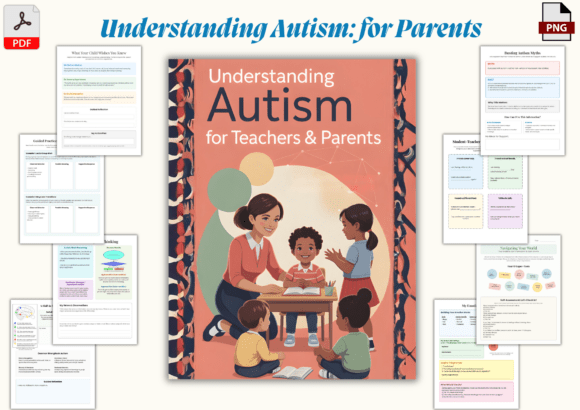
This guide is designed to be a valuable resource for parents, educators, and caregivers who want to better understand autism and support individuals with the condition. It includes clear explanations of autism, neurodiversity-affirming visuals, strength-based approaches, and practical tools to create inclusive and supportive environments.
Whether you're looking to improve communication, manage behavior, or build stronger partnerships between home and school, this guide offers actionable insights and strategies that can make a real difference. It is suitable for use in classrooms, homes, therapy sessions, and SEL programs, making it a versatile and accessible tool for anyone working with or supporting autistic individuals.
By investing in understanding autism, we invest in a more inclusive and compassionate society. This guide is a step toward that goal, offering hope, support, and empowerment for everyone involved.