Mastering Data Literacy with the Introduction to Databases Workbook
In today’s data-driven world, understanding how databases work is more than just a technical skill—it's a strategic advantage. Whether you're an entrepreneur managing customer information, a marketer analyzing campaign performance, or a small business owner tracking inventory, the ability to organize, retrieve, and interpret data is essential. The Introduction to Databases Workbook is designed to give you this foundational knowledge in a clear, practical, and engaging way.
Why Databases Matter for Strategic Decision-Making
Databases are the backbone of modern digital systems. They store vast amounts of information in structured formats, making it easier to access, analyze, and use that data for informed decisions. For professionals across industries, the Introduction to Databases Workbook serves as a bridge between basic data literacy and advanced computational thinking. By learning how to work with tables, fields, records, and relationships, you gain the tools needed to streamline operations, improve customer experiences, and drive innovation.
The workbook doesn’t just teach concepts—it equips you with actionable skills. With guided exercises and real-world examples, you’ll learn how to identify primary keys, build relationships between datasets, and even write simple SQL queries. These are not just academic exercises; they’re practical steps toward becoming a more effective decision-maker in any role.
Strategic Use Cases for the Introduction to Databases Workbook
The Introduction to Databases Workbook is particularly valuable for individuals and teams looking to improve their data-handling capabilities. Here are some strategic scenarios where it can make a significant impact:
- Entrepreneurs and Small Business Owners: Managing customer data, tracking sales, and analyzing trends are critical for growth. The workbook helps you structure this data efficiently and extract meaningful insights.
- Marketers and Analysts: Understanding how databases store and organize data allows you to create more targeted campaigns and measure performance accurately.
- Freelancers and Creators: Whether you're managing project timelines, client portfolios, or content databases, the workbook provides the foundation to keep your workflows organized and scalable.
- Educators and Tutors: Teaching database fundamentals becomes more accessible with the workbook’s clear explanations and interactive activities, making it ideal for classrooms and homeschooling environments.
- Professionals in STEM Fields: A strong grasp of databases is essential for data science, software development, and other tech-related careers. This workbook offers a solid starting point before diving into more complex topics.
By integrating the principles from the Introduction to Databases Workbook into your daily workflow, you can enhance productivity, reduce errors, and make better-informed choices based on accurate data.
How to Approach the Introduction to Databases Workbook Intentionally
While the Introduction to Databases Workbook is comprehensive, its effectiveness depends on how you approach it. Rather than treating it as a passive resource, consider it a strategic tool for building long-term data literacy. Here’s how to use it effectively:
- Set Clear Goals: Before diving into the workbook, define what you hope to achieve. Are you looking to understand basic database structures? Or do you want to build simple queries for data analysis? Setting goals ensures you stay focused and derive maximum value from each lesson.
- Connect Concepts to Real-World Scenarios: The workbook includes real-world examples, but you can enhance your learning by applying these concepts to your own projects or challenges. For instance, if you run a blog, think about how a database could help manage posts, comments, and user interactions.
- Use Guided Practice to Build Confidence: The workbook’s step-by-step exercises are designed to build confidence gradually. Start with simpler tasks like identifying fields and records, then progress to more complex topics such as creating relationships and writing SQL queries.
- Review and Reflect: After completing sections, take time to review what you’ve learned. Ask yourself: How can I apply this knowledge in my current role? What questions remain unanswered? Reflection helps reinforce learning and identify areas for further exploration.
- Combine with Other Resources: While the workbook is a great standalone tool, pairing it with online tutorials, coding platforms, or hands-on projects can deepen your understanding and provide additional context.
Intentional use of the Introduction to Databases Workbook ensures that you’re not just memorizing concepts, but truly mastering them. This approach leads to more effective problem-solving and better outcomes in both personal and professional contexts.
What to Consider Before Relying on the Introduction to Databases Workbook
Like any educational resource, the Introduction to Databases Workbook has its strengths and limitations. It’s important to consider these factors before committing to it as a core learning tool:
- Level of Detail: The workbook is ideal for beginners but may not cover advanced topics like database security, optimization, or cloud-based solutions. If you’re looking for a more in-depth study, consider supplementing it with additional resources.
- Practical Application: While the workbook includes exercises and examples, it’s up to you to apply the knowledge in real-world settings. Without hands-on practice, some concepts may remain theoretical.
- Learning Pace: Everyone learns at a different pace. Some readers may find the workbook too fast-paced, while others may need more time to absorb certain concepts. Adjust your study schedule accordingly to ensure you fully understand each section before moving forward.
- Contextual Relevance: The workbook is designed for a broad audience, but its relevance depends on your specific needs. For example, a data scientist might benefit more from advanced materials, while a small business owner might find the basics more useful.
By being mindful of these considerations, you can use the Introduction to Databases Workbook more effectively and avoid potential pitfalls that come from using it without a clear purpose or plan.
Building Long-Term Value with Database Knowledge
One of the greatest advantages of the Introduction to Databases Workbook is its focus on long-term value. Unlike short-term fixes, the skills you develop through this resource have lasting benefits. As you become more proficient in working with databases, you’ll be better equipped to handle complex data challenges, automate repetitive tasks, and make data-driven decisions that lead to better outcomes.
For example, understanding how to create and manage relationships between tables can help you design more efficient systems for storing and retrieving information. Learning SQL basics opens the door to powerful data analysis techniques that can uncover hidden patterns and trends. These skills are not only useful for technical roles but also for anyone who needs to work with data in their daily responsibilities.
Moreover, the Introduction to Databases Workbook supports continuous learning and growth. As you progress through the material, you’ll develop a deeper appreciation for how databases underpin much of the digital infrastructure we rely on. This awareness can inspire curiosity and encourage you to explore more advanced topics, such as data modeling, big data technologies, or machine learning.
Conclusion: A Strategic Investment in Data Literacy
The Introduction to Databases Workbook is more than just a guide—it’s a strategic investment in your data literacy and long-term success. By providing a clear, structured, and practical introduction to databases, it empowers you to work more efficiently, make better decisions, and unlock new opportunities in both personal and professional settings.
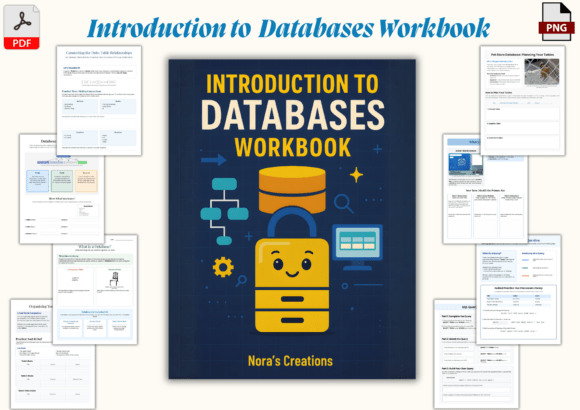
Whether you’re preparing for a career in technology, enhancing your current role, or simply looking to improve your data handling skills, the workbook offers a valuable foundation. Its combination of clean visuals, real-world examples, and interactive exercises makes it accessible and engaging, ensuring that even complex concepts feel manageable and relevant.
Ultimately, the key to maximizing the value of the Introduction to Databases Workbook lies in using it intentionally. By setting clear goals, connecting concepts to real-world applications, and reflecting on your learning journey, you’ll build a strong foundation that supports your growth and helps you achieve better results in the digital age.