Mastering OCD Recovery with the OCD Recovery Relapse Prevention Workbook
The journey toward recovery from obsessive-compulsive disorder (OCD) is not a straight path. It’s a process filled with setbacks, progress, and moments of self-doubt. For many, the fear of relapse can be as overwhelming as the symptoms themselves. That’s where the OCD Recovery Relapse Prevention Workbook comes in—a structured, evidence-based tool designed to help you navigate this complex terrain with clarity, confidence, and compassion.
Whether you’re an adult navigating daily challenges or a parent supporting a loved one, this workbook offers a practical framework for understanding your triggers, tracking your thoughts, and building resilience. Unlike generic self-help guides, it’s grounded in cognitive behavioral therapy (CBT), exposure and response prevention (ERP), and relapse-prevention strategies that have been proven effective in clinical settings.
Understanding the OCD Recovery Relapse Prevention Workbook
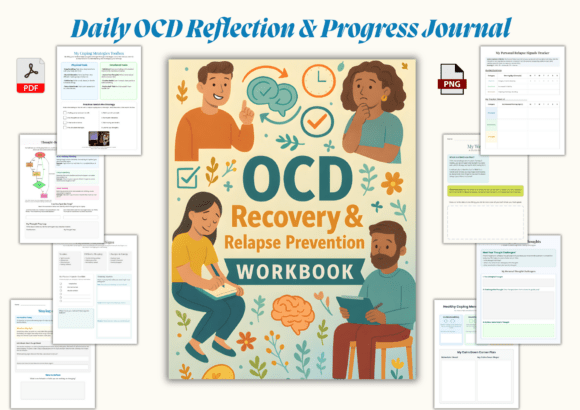
The OCD Recovery Relapse Prevention Workbook is more than just a collection of pages—it’s a comprehensive guide tailored to support individuals at every stage of their recovery. Each section is designed to be gentle yet actionable, helping users identify patterns, recognize warning signs, and develop personalized coping strategies.
Inside, you’ll find exercises that encourage you to:
- Track intrusive thoughts and compulsions over time, helping you see how they evolve and what situations trigger them.
- Identify physical, emotional, and behavioral warning signs of relapse, allowing you to intervene before things spiral out of control.
- Build a support system by creating a safety plan that includes trusted friends, family, or professionals.
- Replace self-judgment with self-compassion, fostering a kinder relationship with yourself during difficult moments.
- Create a personalized relapse prevention plan that aligns with your unique needs and goals.
By engaging with these tools consistently, you can transform your approach to managing OCD from reactive to proactive. The workbook doesn’t just offer advice—it gives you the means to take control of your healing journey.
Strategic Use of the OCD Recovery Relapse Prevention Workbook
Using the OCD Recovery Relapse Prevention Workbook strategically can significantly enhance your ability to manage OCD and maintain long-term recovery. Here are some key considerations for integrating it into your personal growth and development:
1. Set Clear Goals
Before diving into the workbook, define what success looks like for you. Are you aiming to reduce the frequency of intrusive thoughts? Improve your ability to resist compulsions? Or build a stronger support network? Having clear objectives helps you stay focused and measure your progress effectively.
2. Plan Your Approach
The workbook is designed to be used in stages. Start with identifying your OCD patterns and then move toward developing coping strategies. This structured approach ensures that you don’t become overwhelmed by too much information at once.
3. Engage Regularly
Consistency is key when working through any therapeutic resource. Schedule regular times to engage with the workbook, whether it’s daily journaling sessions or weekly reflection periods. This habit reinforces learning and helps you stay on track.
4. Integrate with Other Tools
While the OCD Recovery Relapse Prevention Workbook is a powerful standalone resource, it can also complement other therapies or self-help strategies. Consider pairing it with therapy sessions, support groups, or mindfulness practices to create a holistic approach to recovery.
5. Reflect and Adjust
As you work through the workbook, keep a journal to document your insights, challenges, and successes. This reflective practice allows you to adjust your strategies based on what works best for you.
When to Use the OCD Recovery Relapse Prevention Workbook
The OCD Recovery Relapse Prevention Workbook is most effective when used during periods of active recovery or when preparing for potential relapses. It’s particularly useful:
- During flare-ups—to help you regain control and understand what might be triggering your symptoms.
- After a relapse—to analyze what happened and develop strategies to prevent future setbacks.
- As part of a long-term maintenance plan—to reinforce healthy habits and maintain progress over time.
- For those new to OCD management—to build foundational skills and awareness.
- For individuals seeking greater independence—to reduce reliance on external support and foster self-efficacy.
It’s also beneficial for parents, educators, and mental health professionals who want to support others in their recovery journeys. The workbook provides a common language and set of tools that can be shared across different environments, making it a versatile resource for collaborative care.
Practical Examples and Strategic Observations
Let’s consider a real-world scenario: Sarah, a 32-year-old marketing professional, has struggled with OCD for years. She often feels trapped by intrusive thoughts about contamination and engages in excessive hand-washing. After several therapy sessions, she decides to use the OCD Recovery Relapse Prevention Workbook to support her ongoing recovery.
Using the workbook, Sarah begins tracking her thoughts and compulsions in a journal. She identifies that her symptoms worsen during high-stress weeks at work. With this insight, she starts implementing small changes, such as setting aside dedicated time for self-care and practicing mindfulness techniques during breaks. Over time, she notices a significant reduction in her compulsive behaviors and an increase in her overall sense of control.
This example highlights how strategic use of the OCD Recovery Relapse Prevention Workbook can lead to meaningful, lasting change. By combining self-awareness with intentional action, individuals can break free from cycles of relapse and build a more resilient mindset.
Risks of Using the Workbook Without Clear Context
While the OCD Recovery Relapse Prevention Workbook is a valuable resource, it’s important to use it intentionally. Relying on it without clear goals or context can lead to frustration or confusion. For instance, if you jump into the workbook without first reflecting on your specific triggers or patterns, you may struggle to apply the tools effectively.
Additionally, using the workbook in isolation—without considering broader life factors—can limit its impact. OCD is often intertwined with other stressors, such as work pressure, relationship dynamics, or financial concerns. Addressing these underlying issues is essential for long-term recovery.
To avoid these pitfalls, it’s recommended to use the workbook as part of a larger strategy that includes professional guidance, self-reflection, and lifestyle adjustments. This holistic approach ensures that you’re not just managing symptoms but addressing the root causes of your struggles.
Building Long-Term Resilience with the OCD Recovery Relapse Prevention Workbook
One of the greatest strengths of the OCD Recovery Relapse Prevention Workbook is its focus on long-term resilience. Rather than offering quick fixes, it empowers you to develop sustainable coping strategies that can be applied throughout your life.
By regularly engaging with the workbook, you’ll gain a deeper understanding of your triggers, improve your emotional awareness, and strengthen your ability to respond to challenging situations. This resilience not only supports your recovery from OCD but also enhances your overall well-being and quality of life.
Ultimately, the OCD Recovery Relapse Prevention Workbook is more than a tool—it’s a companion on your journey toward healing. With its structured approach, practical exercises, and emphasis on self-compassion, it equips you with the resources you need to reclaim your life and build a future free from the grip of OCD.