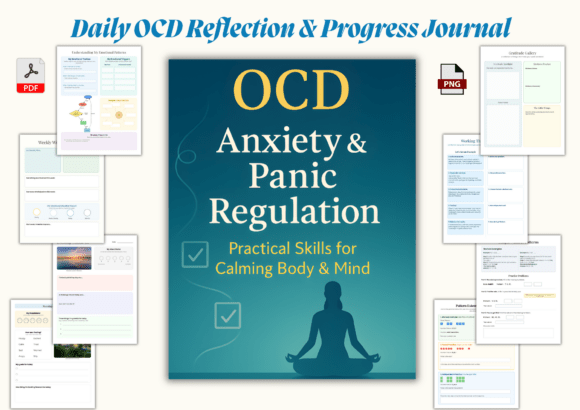
The Daily OCD Reflection Progress Journal: A Gentle Path to Emotional Clarity
The Daily OCD Reflection Progress Journal is more than just a workbook—it's a thoughtful, structured tool designed to help individuals with OCD, anxiety, or intrusive thoughts build emotional clarity and track progress in a safe, empowering way. Whether you're a child, teen, or adult, this journal offers a calming, minimalist design that supports daily reflection without overwhelming the mind. It blends therapeutic exercises with mindfulness practices, making it an ideal companion for anyone looking to understand their triggers, reduce self-judgment, and foster resilience.
Why People May Be Interested in This Journal
For many, the struggle with OCD or anxiety can feel like a constant battle. The Daily OCD Reflection Progress Journal offers a consistent, gentle routine that helps users identify patterns, observe their emotional responses, and develop healthier coping strategies. Its emphasis on self-compassion and grounding techniques makes it especially valuable for those who may feel isolated or misunderstood in their journey. With features like morning check-ins, evening reflections, and weekly progress reviews, this journal encourages consistency and growth over time.
Common Mistakes When Choosing or Using the Journal
While the Daily OCD Reflection Progress Journal is a powerful tool, some users may not get the full benefit due to common mistakes. One of the most frequent errors is underestimating the importance of consistency. Many people start with enthusiasm but fail to commit to daily use, which can lead to frustration and a sense of wasted effort. Without regular engagement, the journal’s potential to support long-term change is diminished.
Another mistake is using the journal as a passive tool rather than an active practice. Simply filling out pages without reflecting deeply on the content can limit its effectiveness. The journal is designed to be a conversation with oneself, so taking the time to truly engage with each prompt is essential. For example, if you skip the morning check-in questions, you might miss important insights about your emotional state before the day begins.
Misunderstanding the Purpose of the Journal
Some users may approach the Daily OCD Reflection Progress Journal with the expectation that it will eliminate their symptoms overnight. However, it’s important to understand that this journal is not a cure-all—it’s a supportive resource that works best when used alongside professional guidance or therapy. While it can help build awareness and resilience, it should not replace medical advice or treatment.
Additionally, some people may overlook the value of the journal’s design. The minimalist layout and calming visuals are intentional—they help reduce sensory overload and create a space for reflection. If you’re used to busy, cluttered environments, you might find it challenging to adjust to the quiet, focused tone of the journal. But this simplicity is what makes it effective for many users.
How These Mistakes Can Affect Results
When users don’t maintain consistency, they risk losing momentum and feeling discouraged. The journal’s structure is built around daily engagement, so skipping entries can disrupt the flow of self-reflection and make it harder to notice patterns or progress. Similarly, treating the journal as a passive activity can prevent users from developing deeper insight into their thoughts and behaviors.
Expecting quick fixes can also lead to disappointment. The Daily OCD Reflection Progress Journal is meant to support gradual, sustainable change. If you’re hoping for immediate relief, you may become frustrated when results take time to manifest. It’s important to approach the journal with patience and an open mind.
Practical Advice for Avoiding Common Pitfalls
To get the most out of the Daily OCD Reflection Progress Journal, consider the following tips:
- Set a consistent time for your daily reflections—whether it’s first thing in the morning or right before bed. This helps establish a routine and makes it easier to stay committed.
- Engage deeply with each page. Take time to write, draw, or reflect on the prompts. The goal is not just to fill the space, but to explore your thoughts and feelings meaningfully.
- Use the journal as a conversation with yourself. Ask open-ended questions and allow space for honest answers. This fosters self-awareness and emotional growth.
- Combine the journal with other tools such as therapy, medication, or support groups. The journal complements these resources but should not replace them.
- Review your progress regularly. Use the weekly wins and wisdom sections to celebrate small victories and acknowledge areas where you’ve grown.
What to Check Before Using the Journal
Before committing to the Daily OCD Reflection Progress Journal, there are a few key factors to consider:
- Is the journal suitable for your age or experience level? The journal is designed for children, teens, and adults, so it’s important to choose a version that matches your needs.
- Do you have access to the necessary tools? Some pages include drawing or coloring elements, so having paper, pens, or digital tools ready can enhance your experience.
- Are you prepared for a long-term commitment? The journal is meant to be used consistently over time, so it’s important to be willing to engage with it regularly.
- Have you considered combining it with professional support? While the journal is a valuable resource, it’s always wise to consult with a mental health professional for personalized guidance.
By approaching the Daily OCD Reflection Progress Journal with intention, patience, and self-compassion, you can unlock its full potential and create a meaningful, transformative experience. Whether you’re just starting your journey or looking to deepen your practice, this journal offers a gentle, supportive path toward greater emotional clarity and resilience.